
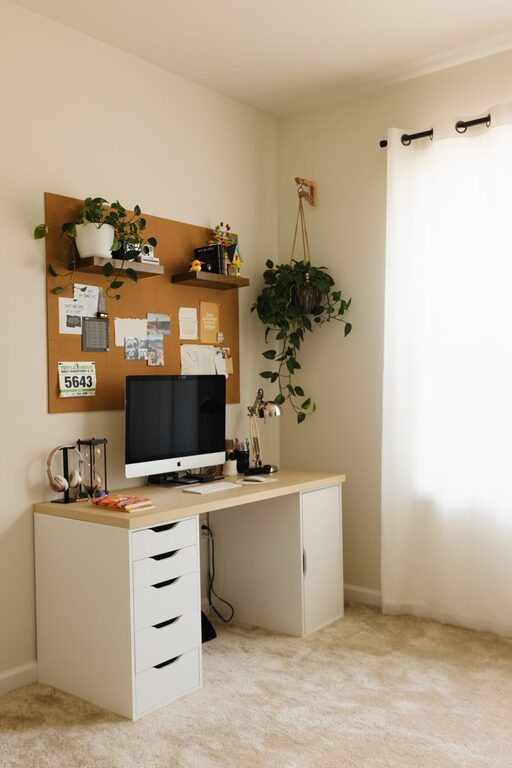
Creating a productive home office environment is essential for anyone working remotely or managing tasks from home. A well-designed workspace can improve focus, reduce stress, and help maintain a healthy work-life balance. Whether you have a dedicated room or a small corner of your living space, there are simple strategies to optimize your home office for maximum productivity.
Choose the Right Location
Find a Quiet Spot
Select a location in your home that experiences minimal distractions and foot traffic. If possible, avoid busy areas like the kitchen or living room. A quiet space helps maintain concentration and keeps you in a work mindset.
Consider Natural Light
Position your desk near a window to take advantage of natural daylight. Exposure to sunlight not only boosts mood but also helps regulate your sleep cycle. If natural light is limited, use full-spectrum bulbs that mimic daylight to keep your workspace bright and inviting.
Invest in Comfortable and Functional Furniture
Ergonomic Chair
A supportive chair is crucial for comfort during long work hours. Choose one with adjustable height, lumbar support, and cushioned seating to prevent back pain and fatigue.
Desk Options
Pick a desk that fits your space and work style. Whether it’s a traditional desk, standing desk, or a compact workstation, make sure there’s enough surface area for your computer, paperwork, and any tools you frequently use.
Organize Your Layout
Keep your desk organized and clutter-free. Use monitor stands, keyboard trays, or desk organizers to maximize space and keep essentials within easy reach.
Establish a Good Lighting Setup
Layer Your Lighting
Combine ambient lighting with task lighting for the best results. Overhead lights provide general illumination, while a desk lamp can focus light where it’s needed most.
Avoid Screen Glare
Place your computer screen perpendicular to windows to reduce glare. Anti-glare screen protectors can also help reduce eye strain.
Minimize Distractions and Noise
Use Noise-Canceling Tools
If your home is noisy, invest in noise-canceling headphones or white noise machines to create a calm environment. Some people find background music helpful, while others prefer silence; find what works for you.
Set Boundaries
Communicate your work schedule to family or housemates to minimize interruptions. Clearly defined working hours help others understand when you should not be disturbed.
Personalize Your Space Thoughtfully
Add Plants
Indoor plants can boost air quality and add a refreshing touch to your office. Easy-care plants like succulents or spider plants require minimal maintenance while enhancing aesthetics.
Use Inspiring Decor
Decorate with items that motivate you without cluttering your workspace. Inspirational quotes, artwork, or a few personal photos can create a pleasant atmosphere.
Establish a Consistent Routine
Designate Work Hours
Create a schedule that mimics a traditional workday. Starting and ending at set times helps keep you on track and separates work from personal time.
Take Regular Breaks
Incorporate short breaks to stretch, walk, or rest your eyes. Using techniques like the Pomodoro method (25 minutes work, 5 minutes break) can increase efficiency.
Optimize Technology and Tools
Reliable Internet
Ensure your internet connection is stable and fast enough to handle video calls, file uploads, and other work tasks.
Essential Equipment
Use a good-quality headset or microphone for virtual meetings. Keep your software updated, and use productivity tools such as calendars, task managers, or note-taking apps to stay organized.
Keep Your Home Office Organized
Declutter Regularly
Set aside time each week to tidy your workspace. Remove unnecessary papers, organize cables, and clear your desk surface.
Storage Solutions
Invest in shelves, filing cabinets, or drawer organizers to keep important documents and supplies neatly stored.
Focus on Comfort and Health
Maintain Good Posture
Adjust your chair and monitor height so your feet rest flat on the floor and your elbows form a 90-degree angle when typing.
Stay Hydrated and Move Often
Keep water nearby and take breaks to stand or stretch to promote circulation and reduce fatigue.
—
Creating a productive home office doesn’t require a large budget or complicated changes. By thoughtfully considering your environment, comfort, and work habits, you can design a space that supports your best work every day. Start small, make adjustments as needed, and enjoy the benefits of a focused and comfortable home office.